Cloud based crm systems examples: Top 7 Cloud Based CRM Systems Examples: Ultimate Guide 2024

Looking for the best cloud based CRM systems examples? You’re in the right place. In this comprehensive guide, we’ll explore top platforms that boost sales, streamline customer service, and scale with your business—all from the cloud.
What Are Cloud Based CRM Systems? A Quick Overview

Cloud based CRM systems examples have revolutionized how businesses manage customer relationships. Unlike traditional on-premise software, these platforms operate online, offering real-time access from any device with an internet connection. This shift has made CRM tools more affordable, scalable, and user-friendly.


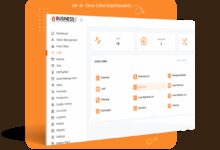


How Cloud CRM Differs from On-Premise Solutions
Traditional CRM software requires installation on local servers, demanding significant IT infrastructure and maintenance. In contrast, cloud based CRM systems examples run on remote servers managed by the provider. This eliminates the need for hardware investment and reduces deployment time from months to days.
- Deployment: Cloud CRM is faster to deploy and easier to update.
- Cost: No upfront hardware costs; subscription-based pricing.
- Maintenance: Vendors handle updates, security, and backups.
- Accessibility: Accessible from anywhere, ideal for remote teams.
“The cloud has democratized CRM technology, making enterprise-grade tools available to startups and SMBs alike.” — Gartner Research, 2023
Key Benefits of Using Cloud Based CRM Systems
The advantages of cloud CRM go beyond convenience. They directly impact efficiency, customer satisfaction, and revenue growth.
- Scalability: Easily add users or features as your business grows.
- Integration: Seamlessly connects with email, marketing automation, and e-commerce platforms.
- Real-Time Data: Sales teams access up-to-date customer information instantly.
- Disaster Recovery: Data is backed up automatically across multiple locations.
- Mobile Access: Sales reps can update records from the field using smartphones or tablets.
According to a Salesforce report, companies using cloud CRM see a 41% increase in sales productivity.
Top 7 Cloud Based CRM Systems Examples in 2024
With so many options available, choosing the right cloud based CRM systems examples can be overwhelming. We’ve curated a list of the top seven platforms based on functionality, user experience, pricing, and market reputation.
1. Salesforce Sales Cloud
Salesforce remains the gold standard in cloud CRM. Its Sales Cloud is a powerful solution designed for businesses of all sizes, offering robust automation, AI insights, and deep customization.
- Features: Lead scoring, opportunity management, forecasting, Einstein AI.
- Pricing: Starts at $25/user/month (Essentials), up to $300/user/month (Unlimited).
- Best For: Mid-sized to large enterprises needing advanced analytics and scalability.
Salesforce integrates with over 3,000 apps via the AppExchange, making it one of the most flexible cloud based CRM systems examples. Learn more at salesforce.com.
2. HubSpot CRM
HubSpot CRM stands out for its ease of use and free tier. It’s ideal for small businesses and startups looking to grow without breaking the bank.
- Features: Contact management, email tracking, deal pipelines, meeting scheduling.
- Pricing: Free forever plan; paid tiers start at $45/month (Starter).
- Best For: SMBs, marketing teams, and inbound sales strategies.
HubSpot’s ecosystem includes marketing, service, and CMS hubs, allowing seamless cross-department collaboration. Explore it at hubspot.com.
3. Zoho CRM
Zoho CRM offers a balance of affordability and functionality. It’s particularly strong in automation and AI-powered sales assistant features.
- Features: Workflow automation, Zia AI assistant, multichannel communication, social CRM.
- Pricing: Starts at $14/user/month (Standard), up to $52/user/month (Enterprise).
- Best For: Growing businesses wanting customization without high costs.
Zoho integrates with over 40 Zoho applications and 500+ third-party tools. Visit zoho.com/crm for a free trial.
4. Microsoft Dynamics 365 Sales
If your organization already uses Microsoft 365, Dynamics 365 Sales offers deep integration with Outlook, Teams, and Excel.
- Features: AI-driven insights, relationship analytics, embedded Office tools.
- Pricing: $65/user/month (Professional), $200/user/month (Enterprise).
- Best For: Enterprises embedded in the Microsoft ecosystem.
Dynamics 365 is powerful but has a steeper learning curve. It’s best suited for organizations with dedicated IT support. Learn more at dynamics.microsoft.com.
5. Pipedrive
Pipedrive is built for sales-focused teams who want a visual, pipeline-driven CRM experience.
- Features: Visual sales pipeline, activity reminders, email integration, reporting.
- Pricing: Starts at $14.90/user/month (Essential), up to $99/user/month (Advanced).
- Best For: Sales teams prioritizing pipeline management and deal tracking.
Pipedrive’s intuitive interface makes onboarding quick and painless. It’s a favorite among small sales teams. Check it out at pipedrive.com.
6. Freshsales (by Freshworks)
Freshsales combines CRM with built-in phone, email, and chat capabilities—perfect for all-in-one customer engagement.
- Features: AI-based lead scoring, built-in calling, visual deal pipeline, gamification.
- Pricing: Free plan available; paid plans start at $15/user/month (Growth).
- Best For: SMBs wanting integrated communication tools.
Freshsales excels in automation and real-time notifications. It’s user-friendly and fast to deploy. Learn more at freshworks.com/crm.
7. Insightly
Insightly is ideal for businesses that need CRM combined with project management features.
- Features: Project tracking, customer journey mapping, workflow automation.
- Pricing: Starts at $29/user/month (Pro), up to $75/user/month (Enterprise).
- Best For: Service-based businesses and consultants managing projects and clients.
Insightly bridges the gap between sales and operations. It’s especially useful for professional services firms. Explore at insightly.com.
How to Choose the Right Cloud Based CRM Systems Examples for Your Business
Selecting the right cloud based CRM systems examples isn’t just about features—it’s about fit. The best CRM aligns with your business goals, team size, industry, and budget.
Assess Your Business Needs and Goals
Start by asking: What problem are you trying to solve? Is it poor lead tracking, lack of sales visibility, or inefficient customer support?
- Sales Teams: Prioritize pipeline management and forecasting.
- Marketing Teams: Look for email integration, campaign tracking, and lead nurturing.
- Customer Service: Choose CRMs with ticketing, knowledge bases, and SLA tracking.
For example, a real estate agency might benefit from Pipedrive’s visual pipeline, while a SaaS company may prefer HubSpot’s marketing automation.
Consider Scalability and Integration Capabilities
Your CRM should grow with you. Ask: Can it handle more users, data, and integrations in two years?
- API Access: Essential for connecting with custom apps or legacy systems.
- App Marketplace: Platforms like Salesforce and Zoho offer thousands of integrations.
- Single Sign-On (SSO): Improves security and user experience.
Integration with tools like Slack, Zoom, or Shopify can significantly boost productivity.
Evaluate User Experience and Training Requirements
A powerful CRM is useless if your team won’t use it. Simplicity and intuitiveness matter.
- Onboarding Time: How long does it take to train new users?
- Mobile App Quality: Is the mobile experience robust?
- Customization: Can fields and workflows be tailored without coding?
According to Nucleus Research, companies with user-friendly CRMs see 3x higher adoption rates.
Key Features to Look for in Cloud Based CRM Systems Examples
Not all cloud based CRM systems examples are created equal. Here are the must-have features to evaluate before making a decision.
Contact and Lead Management
The foundation of any CRM is organizing customer data. Look for:
- Automatic contact capture from emails and forms.
- Duplicate detection and merging.
- Custom fields and tagging for segmentation.
- Lead scoring to prioritize high-value prospects.
For instance, HubSpot automatically logs emails and meetings, reducing manual entry.
Sales Automation and Pipeline Tracking
Automation saves time and reduces human error. Key capabilities include:
- Automated follow-up emails and task reminders.
- Deal stage progression with drag-and-drop pipelines.
- Forecasting tools based on historical data.
- Workflow rules (e.g., assign leads after form submission).
Pipedrive’s automation engine allows setting up sequences that trigger based on user behavior.
Reporting, Analytics, and AI Insights
Data-driven decisions require strong reporting. Look for:
- Pre-built dashboards for sales performance, conversion rates, and activity metrics.
- Custom report builders.
- AI-powered insights like churn prediction or next-best-action suggestions.
- Real-time visibility into team performance.
Salesforce Einstein and Zia in Zoho CRM use machine learning to recommend actions and predict outcomes.
Implementation Tips for Cloud Based CRM Systems Examples
Even the best cloud based CRM systems examples can fail without proper implementation. Follow these best practices to ensure success.
Plan Your Data Migration Strategy
Moving data from spreadsheets or legacy systems requires care.
- Clean Your Data: Remove duplicates, outdated contacts, and incomplete records.
- Map Fields: Ensure old fields align with new CRM fields.
- Test Migration: Run a pilot with a small dataset before full transfer.
- Backup: Always keep a copy of original data.
Many vendors offer migration tools or professional services to assist.
cloud based crm systems examples – Cloud based crm systems examples menjadi aspek penting yang dibahas di sini.
Train Your Team Effectively
User adoption is the biggest hurdle in CRM success.
- Provide hands-on training sessions, not just manuals.
- Assign CRM champions within each department.
- Use video tutorials and knowledge bases for ongoing support.
- Start with core features, then introduce advanced tools gradually.
Companies that invest in training see up to 50% higher CRM utilization, per CIO.com.
Customize Without Overcomplicating
Customization is powerful, but too much can lead to confusion.
- Only customize fields and workflows that add clear value.
- Avoid creating too many user roles or permission levels.
- Use default templates before building from scratch.
- Document all customizations for future reference.
Remember: simplicity drives adoption.
Industry-Specific Use Cases of Cloud Based CRM Systems Examples
Cloud based CRM systems examples aren’t one-size-fits-all. Different industries leverage CRM in unique ways.
Real Estate: Managing Leads and Client Relationships
Real estate agents juggle hundreds of leads, showings, and contracts.
- CRMs like Follow Up Boss or LionDesk integrate with Zillow and Realtor.com.
- Automated follow-ups keep leads warm after open houses.
- Transaction management tracks contract deadlines and commissions.
These specialized tools are built on cloud CRM platforms, offering industry-specific workflows.
E-Commerce: Personalizing Customer Journeys
Online stores use CRM to enhance post-purchase engagement.
- Track customer purchase history and preferences.
- Send personalized product recommendations via email.
- Identify high-LTV (lifetime value) customers for loyalty programs.
- Integrate with Shopify, WooCommerce, or Magento.
For example, HubSpot CRM can sync with Shopify to automate post-purchase follow-ups.
Healthcare: Patient Relationship Management
While HIPAA compliance is critical, cloud CRM can improve patient engagement.
- Appointment reminders via SMS or email.
- Patient feedback collection after visits.
- Tracking referral sources and treatment outcomes.
- Platforms like Salesforce Health Cloud offer compliant solutions.
These systems help clinics reduce no-shows and improve care coordination.
Future Trends in Cloud Based CRM Systems Examples
The CRM landscape is evolving rapidly. Staying ahead means understanding where cloud based CRM systems examples are headed.
AI and Predictive Analytics Will Dominate
Artificial intelligence is no longer a luxury—it’s becoming standard.
- AI will predict customer churn before it happens.
- Smart assistants will draft emails, schedule meetings, and suggest next steps.
- Automated data entry will reduce manual input by 70% or more.
Salesforce Einstein and Microsoft Copilot are already leading this shift.
Hyper-Personalization Through Data Integration
Customers expect personalized experiences. CRMs will pull data from more sources—social media, IoT devices, and even wearables.
- Unified customer profiles will include behavioral, transactional, and emotional data.
- Dynamic content will adapt in real time based on user context.
- Privacy-first approaches will ensure compliance with GDPR and CCPA.
The future CRM won’t just store data—it will interpret it.
Low-Code and No-Code Customization
Business users will build workflows without relying on IT.
- Drag-and-drop automation builders will become more powerful.
- Pre-built templates will accelerate deployment.
- Integration with platforms like Zapier and Make will expand functionality.
Zoho Flow and HubSpot Workflows are already enabling non-technical users to automate complex processes.
Common Challenges and How to Overcome Them
Even with the best cloud based CRM systems examples, businesses face obstacles. Here’s how to tackle them.
Data Security and Privacy Concerns
Storing customer data in the cloud raises valid concerns.
- Choose vendors with SOC 2, ISO 27001, or GDPR compliance.
- Enable two-factor authentication (2FA) and role-based access.
- Regularly audit user permissions and data access logs.
Most top CRM providers invest heavily in security—often more than in-house IT can match.
User Resistance and Low Adoption
Employees may resist change, especially if the CRM feels like extra work.
- Involve users in the selection process.
- Show immediate value—e.g., auto-logging calls saves time.
- Recognize and reward active users.
- Keep the interface clean and intuitive.
Transparency and communication are key to overcoming resistance.
Integration Complexity with Legacy Systems
Older systems may not have APIs, making integration difficult.
- Use middleware like Zapier or Dell Boomi for connectivity.
- Phase out legacy systems gradually.
- Work with vendors who offer integration support services.
Many cloud CRM providers now offer pre-built connectors for common ERP and accounting software.
What are cloud based CRM systems examples?
Cloud based CRM systems examples include platforms like Salesforce, HubSpot CRM, Zoho CRM, Microsoft Dynamics 365, Pipedrive, Freshsales, and Insightly. These are web-based tools that help businesses manage customer interactions, sales pipelines, and marketing campaigns from anywhere.
What is the best cloud based CRM for small businesses?
HubSpot CRM and Zoho CRM are often considered the best for small businesses due to their free tiers, ease of use, and scalable features. Pipedrive is also popular for sales-focused startups.
Are cloud CRM systems secure?
Yes, reputable cloud CRM systems use advanced encryption, regular security audits, and compliance certifications (like GDPR and SOC 2) to protect data. They are often more secure than on-premise systems managed by small IT teams.
How much do cloud based CRM systems cost?
Prices vary widely. Free plans are available (e.g., HubSpot, Freshsales). Paid plans typically range from $12 to $300 per user per month, depending on features and scalability.
Can I integrate a cloud CRM with my existing tools?
Absolutely. Most cloud based CRM systems examples offer integrations with email, calendars, marketing tools, e-commerce platforms, and phone systems via native connectors or APIs.
Choosing the right cloud based CRM systems examples can transform how your business engages with customers. From Salesforce’s enterprise power to HubSpot’s user-friendly interface, there’s a solution for every need. The key is aligning the platform with your goals, ensuring team adoption, and leveraging automation and AI. As technology evolves, cloud CRM will become even more intelligent, personalized, and accessible. Start small, scale smart, and let your CRM become the central hub of your customer strategy.
cloud based crm systems examples – Cloud based crm systems examples menjadi aspek penting yang dibahas di sini.
Further Reading: