In today’s fast-paced digital world, a cloud based saas crm solution is no longer a luxury—it’s a necessity. Discover how this powerful tool transforms customer relationships, boosts sales, and drives business growth with unmatched efficiency and scalability.
What Is a Cloud Based SaaS CRM Solution?

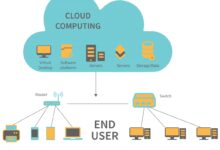
A cloud based saas crm solution is a customer relationship management system hosted on remote servers and delivered via the internet as a subscription service. Unlike traditional on-premise CRM software, it eliminates the need for physical infrastructure, offering businesses instant access to powerful tools for managing customer data, sales pipelines, marketing campaigns, and support operations—all from a web browser or mobile app.



Definition and Core Components
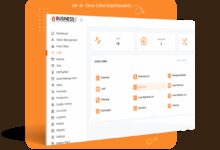
At its core, a cloud based saas crm solution integrates contact management, sales automation, customer service, and analytics into a unified platform. Key components include lead tracking, deal management, email integration, task automation, and real-time dashboards. These tools are maintained and updated by the service provider, ensuring users always have access to the latest features without manual upgrades.
- Contact and account management
- Sales forecasting and pipeline tracking
- Marketing automation and campaign analytics
“The shift to cloud CRM has redefined how businesses interact with customers—making agility and insight accessible to companies of all sizes.” — Gartner Research
How It Differs From On-Premise CRM
Traditional on-premise CRM systems require businesses to purchase licenses, install software on local servers, and manage ongoing maintenance. In contrast, a cloud based saas crm solution operates on a pay-as-you-go model, reducing upfront costs and IT overhead. Updates are automatic, scalability is seamless, and access is global—making it ideal for distributed teams and remote work environments.
- No hardware investment required
- Faster deployment (days vs. weeks or months)
- Automatic security patches and feature updates
Top 7 Benefits of a Cloud Based SaaS CRM Solution
Adopting a cloud based saas crm solution offers transformative advantages that directly impact revenue, efficiency, and customer satisfaction. From cost savings to real-time insights, these benefits empower organizations to stay competitive in an evolving marketplace.
1. Cost Efficiency and Predictable Pricing
One of the most compelling reasons businesses choose a cloud based saas crm solution is the reduction in capital expenditure. Instead of investing tens of thousands in servers, software licenses, and IT staff, companies pay a predictable monthly or annual subscription fee. This operational expense model improves cash flow and allows even small businesses to leverage enterprise-grade technology.
- No need for server rooms or dedicated IT personnel
- Subscription plans scale with user count and feature needs
- Lower total cost of ownership (TCO) over time
According to a Forrester study, organizations using Salesforce’s cloud CRM reported a 163% return on investment over three years, with significant savings in infrastructure and support costs.
2. Rapid Deployment and Easy Scalability
Time-to-value is critical in modern business. A cloud based saas crm solution can be up and running in as little as 48 hours, allowing sales teams to start logging leads and closing deals almost immediately. As your business grows, you can add users, modules, or integrations with just a few clicks—no complex installations or downtime required.
- Onboarding takes hours, not months
- Scale up or down based on seasonal demand
- Global teams can be onboarded remotely
“We went live with our cloud CRM in under a week. It was a game-changer for our sales velocity.” — Marketing Director, Mid-Sized Tech Firm
3. Anytime, Anywhere Accessibility
With a cloud based saas crm solution, your data lives in the cloud, accessible from any device with an internet connection. Whether your team is working from home, traveling, or in a client meeting, they can view customer histories, update records, and send follow-ups in real time. This flexibility enhances responsiveness and ensures no opportunity slips through the cracks.
- Mobile apps for iOS and Android
- Offline mode with automatic sync
- Role-based access for security
Platforms like Salesforce Sales Cloud and Zoho CRM offer robust mobile experiences that mirror desktop functionality.
4. Automatic Updates and Innovation
Vendors of a cloud based saas crm solution regularly roll out new features, security enhancements, and performance improvements—without requiring user intervention. This means your team always has access to the latest tools, such as AI-powered lead scoring, voice-to-text note entry, or predictive analytics, without the hassle of manual upgrades.
- Quarterly feature releases included in subscription
- No downtime for patching or version upgrades
- Continuous compliance with data regulations (GDPR, CCPA)
5. Enhanced Data Security and Compliance
Contrary to common misconceptions, cloud CRM platforms often provide superior security compared to on-premise systems. Leading providers invest heavily in encryption, multi-factor authentication, intrusion detection, and regular audits. Data is backed up across multiple geographically dispersed data centers, minimizing the risk of loss due to hardware failure or natural disasters.
- End-to-end encryption (in transit and at rest)
- Compliance with ISO 27001, SOC 2, HIPAA, and more
- Dedicated security teams monitoring threats 24/7
For example, Microsoft Dynamics 365, a leading cloud based saas crm solution, leverages Azure’s enterprise-grade security infrastructure to protect customer data globally.
6. Seamless Integration with Business Tools
A major strength of a cloud based saas crm solution is its ability to integrate with other business applications. Whether it’s syncing with email platforms like Gmail or Outlook, connecting to marketing tools like Mailchimp, or linking with ERP systems like NetSuite, these integrations create a unified ecosystem that eliminates data silos and boosts productivity.
- Native integrations with popular productivity suites
- API access for custom development
- Pre-built connectors via platforms like Zapier or MuleSoft
These integrations enable automated workflows—such as logging emails automatically, triggering follow-up tasks, or updating inventory levels—freeing up valuable employee time.
7. Real-Time Analytics and Business Intelligence
Modern cloud based saas crm solution platforms come equipped with powerful reporting and dashboard capabilities. Managers can track KPIs like conversion rates, average deal size, sales cycle length, and customer retention in real time. Advanced systems use AI to generate forecasts, identify trends, and recommend next steps—turning raw data into actionable insights.
- Drag-and-drop report builders
- Customizable dashboards for different roles
- Predictive analytics for sales and service teams
Tools like Einstein Analytics (Salesforce) and Zia (Zoho) bring artificial intelligence directly into the CRM, helping users prioritize leads and anticipate customer needs.
Key Features to Look for in a Cloud Based SaaS CRM Solution
Not all cloud based saas crm solution platforms are created equal. To maximize ROI, businesses must evaluate vendors based on functionality, usability, and long-term fit. Here are the essential features that define a high-performing system.
Lead and Opportunity Management
Effective lead management is the backbone of any CRM. A top-tier cloud based saas crm solution should allow you to capture leads from multiple sources (web forms, social media, email), score them based on engagement and demographics, and route them to the right sales representative. Opportunity tracking enables teams to monitor deal stages, forecast revenue, and identify bottlenecks in the sales funnel.
- Automated lead assignment rules
- Lead scoring based on behavior and profile
- Visual sales pipelines with drag-and-drop functionality
Marketing Automation Capabilities
Modern cloud based saas crm solution platforms go beyond sales—they empower marketing teams to run targeted campaigns, track engagement, and measure ROI. Features like email campaign builders, landing page creation, A/B testing, and lead nurturing workflows help convert prospects into customers at scale.
- Behavior-triggered email sequences
- Integration with social media advertising
- UTM tracking and campaign performance dashboards
For instance, HubSpot’s CRM includes a full marketing hub that allows businesses to create, execute, and analyze multi-channel campaigns—all within the same platform.
Customer Service and Support Tools
A comprehensive cloud based saas crm solution also supports post-sale customer relationships. Ticketing systems, knowledge bases, live chat, and customer satisfaction surveys help service teams resolve issues quickly and build loyalty. Some platforms offer AI-powered chatbots to handle routine inquiries, reducing response times and freeing up human agents for complex cases.
- Multi-channel support (email, phone, chat, social)
- Service level agreement (SLA) tracking
- Self-service customer portals
How to Choose the Right Cloud Based SaaS CRM Solution for Your Business
Selecting the ideal cloud based saas crm solution requires careful evaluation of your business size, industry, goals, and technical requirements. A solution that works for a startup may not meet the needs of an enterprise, and vice versa.
Assess Your Business Needs and Goals
Start by identifying your primary objectives: Are you looking to improve sales productivity? Enhance customer retention? Automate marketing? Map out your key workflows and pain points. This will help you prioritize features and avoid paying for unnecessary functionality.
- Define core use cases (e.g., lead tracking, support ticketing)
- Identify decision-makers and end-users
- Set measurable success metrics (e.g., 20% increase in lead conversion)
Evaluate Scalability and Customization Options
Your business will evolve—your CRM should too. Look for a cloud based saas crm solution that allows you to customize fields, workflows, and user interfaces without coding. Ensure it can accommodate growth in users, data volume, and integrations. Platforms like Salesforce and Microsoft Dynamics offer extensive customization through low-code tools and developer ecosystems.
- Custom objects and fields
- Workflow automation rules
- Role-based permissions and page layouts
Check Vendor Reputation and Support Quality
Even the most powerful cloud based saas crm solution is only as good as the support behind it. Research vendor reliability, uptime guarantees (SLAs), customer reviews, and available support channels (phone, chat, knowledge base). Consider whether they offer onboarding assistance, training resources, and a vibrant user community.
- Uptime of 99.5% or higher
- Dedicated account managers for enterprise clients
- Online certification programs and user forums
Vendors like Salesforce and Zoho have built extensive global support networks and partner ecosystems to ensure customer success.
Top Cloud Based SaaS CRM Solution Providers in 2024
The market for cloud based saas crm solution platforms is highly competitive, with several leaders offering robust, feature-rich systems. Here’s a look at the top contenders and what sets them apart.
Salesforce Sales Cloud
Salesforce remains the undisputed leader in the CRM space. Its Sales Cloud offers a comprehensive cloud based saas crm solution with powerful automation, AI insights (Einstein), and a vast AppExchange marketplace with over 3,000 integrations. It’s ideal for mid-sized to large enterprises seeking deep customization and scalability.
- AI-driven forecasting and lead scoring
- Strong mobile and offline capabilities
- Extensive third-party app ecosystem
Learn more at salesforce.com/products/sales-cloud.
HubSpot CRM
HubSpot offers a user-friendly, free-tier cloud based saas crm solution that’s perfect for startups and small businesses. Its strength lies in seamless integration between CRM, marketing, sales, and service hubs. The platform emphasizes ease of use, intuitive design, and inbound marketing principles.
- Free plan with core CRM features
- Drag-and-drop email and landing page builders
- Excellent onboarding and educational resources
Explore HubSpot at hubspot.com/products/crm.
Microsoft Dynamics 365
For organizations already using Microsoft 365, Dynamics 365 provides a tightly integrated cloud based saas crm solution. It excels in combining CRM with ERP functionalities, making it a strong choice for manufacturing, retail, and professional services firms.
- Deep integration with Outlook, Teams, and Excel
- Power BI for advanced analytics
- Flexible licensing models
Visit dynamics.microsoft.com for details.
Common Challenges and How to Overcome Them
While a cloud based saas crm solution offers immense benefits, implementation can come with challenges. Understanding these hurdles in advance helps ensure a smooth rollout and high user adoption.
Data Migration and Integration Issues
Transferring data from legacy systems or spreadsheets into a new cloud based saas crm solution can be complex. Incomplete or poorly formatted data can lead to inaccuracies and frustration. To mitigate this, clean your data before migration, map fields carefully, and use automated tools or professional services if needed.
- Use CSV imports with validation rules
- Leverage ETL (Extract, Transform, Load) tools
- Run test migrations before going live
User Adoption and Training Gaps
Even the best cloud based saas crm solution fails if employees don’t use it. Resistance often stems from lack of training, poor change management, or perceived complexity. Combat this with hands-on training, clear communication of benefits, and appointing internal champions to drive adoption.
- Conduct role-specific training sessions
- Create quick-reference guides and video tutorials
- Implement gamification or incentives for usage
Customization Overload and System Bloat
While customization is a strength, over-engineering workflows or adding too many modules can slow down performance and confuse users. Start simple, focus on core processes, and scale features gradually based on feedback and results.
- Adopt a phased rollout approach
- Regularly audit unused fields and automations
- Involve end-users in design decisions
The Future of Cloud Based SaaS CRM Solutions
The evolution of a cloud based saas crm solution is far from over. Emerging technologies like artificial intelligence, machine learning, and the Internet of Things are reshaping how businesses engage with customers. The future belongs to intelligent, predictive, and hyper-personalized CRM systems.
AI and Predictive Analytics Integration
AI is no longer a futuristic concept—it’s embedded in today’s leading cloud based saas crm solution platforms. From suggesting the best time to contact a lead to predicting churn risk, AI enhances decision-making and automates routine tasks. Expect deeper personalization, natural language processing, and voice-enabled CRM interactions in the near future.
- AI-powered chatbots for customer service
- Predictive lead scoring and deal recommendations
- Automated meeting summaries using transcription
Mobile-First and Voice-Activated Interfaces
As remote work and field sales grow, mobile CRM usage will dominate. Future cloud based saas crm solution platforms will prioritize mobile-first design, with offline access, push notifications, and voice commands. Imagine updating a deal status by simply saying, “Log call with client—discussed pricing, next meeting scheduled for Friday.”
- Voice-to-CRM note entry
- Augmented reality for field service
- Wearable device integration
Hyper-Personalization and Customer Journey Mapping
The next generation of cloud based saas crm solution will move beyond transactional data to understand the entire customer journey. By integrating data from websites, social media, IoT devices, and support interactions, CRM systems will deliver hyper-personalized experiences—anticipating needs before the customer even expresses them.
- 360-degree customer view with unified timelines
- Behavioral triggers for personalized offers
- Real-time sentiment analysis from support calls
Companies like Salesforce with its Customer 360 initiative are already paving the way for this unified experience.
Implementing a Cloud Based SaaS CRM Solution: A Step-by-Step Guide
Successful implementation of a cloud based saas crm solution requires planning, collaboration, and execution. Follow this proven roadmap to ensure a smooth transition and maximize ROI.
Step 1: Define Clear Objectives and KPIs
Begin by outlining what you want to achieve—whether it’s shortening the sales cycle, improving customer satisfaction, or increasing cross-sell rates. Set specific, measurable goals (e.g., “Reduce lead response time from 48 to 2 hours”) to track progress post-implementation.
- Align CRM goals with overall business strategy
- Involve stakeholders from sales, marketing, and support
- Establish baseline metrics before launch
Step 2: Select the Right Vendor and Plan the Budget
Compare vendors based on features, pricing, scalability, and support. Request demos, read customer reviews, and consult with peers. Create a budget that includes subscription fees, training, data migration, and potential customization costs.
- Negotiate annual contracts for discounts
- Consider total cost over 3–5 years
- Factor in internal resource time
Step 3: Prepare Data and Configure the System
Clean and organize your existing customer data. Define user roles, permissions, and workflows. Customize fields, pipelines, and dashboards to match your business processes. Use sandbox environments to test configurations before going live.
- Deduplicate and validate contact records
- Set up automated assignment rules
- Integrate with email and calendar systems
Step 4: Train Users and Launch in Phases
Provide comprehensive training tailored to different roles (sales reps, managers, admins). Start with a pilot group, gather feedback, and refine the setup before rolling out company-wide. Celebrate early wins to build momentum.
- Offer live training and on-demand videos
- Assign super-users in each department
- Use gamification to encourage adoption
Step 5: Monitor, Optimize, and Scale
After launch, continuously monitor usage, data quality, and performance against KPIs. Use feedback to optimize workflows, add new features, and expand to other departments. A cloud based saas crm solution is not a one-time project—it’s an ongoing journey of improvement.
- Review dashboards weekly
- Conduct quarterly optimization reviews
- Explore advanced modules (e.g., CPQ, marketing automation)
What is a cloud based saas crm solution?
A cloud based saas crm solution is a web-hosted customer relationship management system delivered as a subscription service. It enables businesses to manage customer interactions, sales pipelines, marketing campaigns, and support services through a centralized, internet-accessible platform—without the need for on-site hardware or software installation.
How does a cloud based saas crm solution save money?
It eliminates upfront costs for servers and licenses, reduces IT maintenance expenses, and operates on a flexible subscription model. Businesses only pay for what they use, and automatic updates mean no additional costs for upgrades or patches.
Is a cloud based saas crm solution secure?
Yes, leading cloud based saas crm solution providers invest heavily in security, including data encryption, multi-factor authentication, regular audits, and compliance with international standards like GDPR and SOC 2. In many cases, cloud CRM is more secure than on-premise systems.
Can small businesses benefit from a cloud based saas crm solution?
Absolutely. Many platforms offer affordable or even free plans tailored for small businesses. These solutions provide enterprise-level features like automation, analytics, and integrations, helping small teams compete with larger organizations.
What are the best cloud based saas crm solution platforms?
Top platforms include Salesforce Sales Cloud, HubSpot CRM, Microsoft Dynamics 365, Zoho CRM, and Pipedrive. The best choice depends on your business size, industry, budget, and specific needs.
Adopting a cloud based saas crm solution is one of the most strategic decisions a business can make. From cost savings and scalability to real-time insights and global accessibility, the benefits are clear and measurable. As technology evolves, these platforms will become even more intelligent, predictive, and integral to customer success. By choosing the right solution and implementing it effectively, organizations can build stronger relationships, drive revenue growth, and stay ahead in an increasingly competitive landscape.
Further Reading:
