Imagine managing all your customer relationships from anywhere, on any device, with real-time updates and zero downtime. That’s the magic of a cloud based CRM app—your business’s ultimate growth engine.
What Is a Cloud Based CRM App?

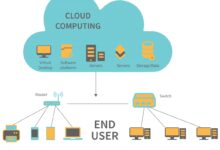
A cloud based CRM app is a customer relationship management system hosted on remote servers and accessed via the internet. Unlike traditional on-premise CRM software, it eliminates the need for physical hardware, complex installations, and manual updates. Instead, everything—from contact management to sales tracking—is delivered as a service over the web.



How It Differs From On-Premise CRM
Traditional CRM systems require businesses to purchase licenses, maintain servers, and handle software updates manually. This often leads to high upfront costs and long deployment times. In contrast, a cloud based CRM app operates on a subscription model, offering faster setup, lower initial investment, and automatic updates.
- On-premise CRM: Installed locally, requires IT staff, high maintenance.
- Cloud based CRM app: Hosted online, scalable, managed by the provider.
- Deployment time: Weeks or months vs. hours or days.
“The shift to cloud CRM is not just technological—it’s cultural. It empowers teams to work smarter, faster, and more collaboratively.” — Gartner Research
Core Components of a Cloud CRM System
A robust cloud based CRM app typically integrates several key modules designed to streamline customer interactions across departments. These include:
- Sales Automation: Tracks leads, manages pipelines, and automates follow-ups.
- Marketing Automation: Enables email campaigns, lead scoring, and campaign analytics.
- Customer Service & Support: Offers ticketing systems, knowledge bases, and live chat integration.
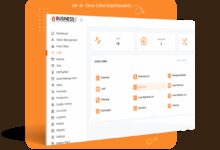
- Analytics & Reporting: Provides dashboards with real-time insights into performance metrics.
These components work together seamlessly, ensuring data flows across teams without silos. For example, when a marketing campaign generates a new lead, the sales team receives instant notification and can act immediately—no manual data entry required.
Top 7 Benefits of Using a Cloud Based CRM App
Adopting a cloud based CRM app isn’t just about staying current—it’s about gaining a competitive edge. Below are seven powerful advantages that make this technology indispensable for modern businesses.
1. Cost Efficiency and Predictable Pricing
One of the most compelling reasons businesses switch to a cloud based CRM app is cost savings. Traditional CRM solutions often involve large capital expenditures for software licenses, server hardware, and IT personnel. Cloud CRM, on the other hand, operates on a pay-as-you-go or per-user subscription model.
- No need for expensive servers or data centers.
- Reduced IT overhead due to provider-managed infrastructure.
- Scalable pricing—pay only for what you use.
According to a Forbes Tech Council report, companies save an average of 30% in the first year alone by switching to cloud CRM.
2. Accessibility and Remote Work Enablement
In today’s hybrid and remote work environments, having access to customer data from anywhere is no longer a luxury—it’s a necessity. A cloud based CRM app allows sales reps, support agents, and managers to log in from any location using laptops, tablets, or smartphones.
- Real-time access to customer records, notes, and history.
- Syncs across devices automatically.
- Supports global teams across time zones.
This flexibility was crucial during the pandemic, with Gartner reporting a 35% surge in cloud service demand in 2020. Companies using cloud CRM could maintain operations seamlessly while others struggled.
3. Automatic Updates and Continuous Innovation
With on-premise systems, updates often require downtime, manual installations, and compatibility checks. A cloud based CRM app eliminates these headaches by delivering updates automatically in the background.
- New features roll out without user intervention.
- Security patches applied instantly.
- Always running the latest version.
Providers like Salesforce and HubSpot release quarterly feature updates, ensuring users benefit from AI-driven insights, enhanced integrations, and improved UX without lifting a finger.
4. Scalability for Growing Businesses
Whether you’re a startup with five employees or an enterprise with thousands, a cloud based CRM app scales with your business. Need to add more users? Done in minutes. Expanding into new markets? Customize regional settings instantly.
- Add or remove users with ease.
- Upgrade plans based on feature needs.
- Handle increased data volume without performance drops.
This elasticity makes cloud CRM ideal for fast-growing companies that can’t afford rigid, inflexible systems.
5. Enhanced Data Security and Compliance
Many businesses hesitate to move sensitive customer data to the cloud due to security concerns. However, reputable cloud based CRM app providers invest heavily in cybersecurity—often far exceeding what most companies can afford in-house.
- Enterprise-grade encryption (AES-256) for data at rest and in transit.
- Regular third-party audits and certifications (e.g., SOC 2, GDPR, HIPAA).
- Advanced threat detection and DDoS protection.
For example, Salesforce’s Trust Center details its comprehensive security framework, including multi-factor authentication and data isolation. In many cases, cloud CRM is actually more secure than on-premise alternatives.
6. Seamless Integration with Other Business Tools
A cloud based CRM app doesn’t exist in isolation. It connects with your email, calendar, marketing automation, ERP, and e-commerce platforms to create a unified ecosystem.
- Integrates with Gmail, Outlook, Slack, and Microsoft Teams.
- Syncs with tools like Mailchimp, Shopify, and QuickBooks.
- Uses APIs and platforms like Zapier for custom workflows.
These integrations eliminate data silos and reduce manual entry errors. For instance, when a customer places an order on your website, the cloud CRM automatically logs the transaction, updates their profile, and triggers a personalized thank-you email.
7. Real-Time Analytics and Business Intelligence
Decisions based on gut feeling are risky. A cloud based CRM app provides real-time dashboards and reporting tools that turn raw data into actionable insights.
- Track KPIs like conversion rates, average deal size, and customer lifetime value.
- Forecast sales with AI-powered predictive analytics.
- Visualize trends with customizable charts and reports.
Managers can monitor team performance daily, identify bottlenecks, and adjust strategies quickly. This level of visibility was once reserved for large enterprises—but now, even small businesses can leverage it through affordable cloud CRM solutions.
How to Choose the Right Cloud Based CRM App for Your Business
Selecting the best cloud based CRM app requires careful evaluation of your business needs, team size, budget, and long-term goals. Here’s a step-by-step guide to help you make an informed decision.
Assess Your Business Needs and Goals
Start by identifying the primary challenges you want CRM to solve. Are you struggling with lead tracking? Poor customer retention? Inefficient communication between departments?
- Define key objectives: Improve sales conversion, enhance customer support, automate marketing.
- List must-have features: Mobile access, email integration, workflow automation.
- Determine user roles: Sales reps, marketers, customer service agents.
For example, a B2B SaaS company might prioritize lead scoring and pipeline management, while an e-commerce brand may focus on customer segmentation and post-purchase engagement.
Evaluate Key Features and Functionality
Not all cloud based CRM apps are created equal. Compare core functionalities to ensure the platform aligns with your operational requirements.
- Contact & Lead Management: Can it store detailed customer profiles and track interactions?
- Automation Capabilities: Does it support task reminders, email sequences, and workflow rules?
- Customization Options: Can you tailor fields, layouts, and pipelines to match your process?
- Mobile Experience: Is there a dedicated app with full functionality?
Look beyond the brochure. Request a demo and test how intuitive the interface feels. A powerful cloud based CRM app should simplify work—not complicate it.
Check Integration and API Support
Your CRM should act as the central hub of your tech stack. Ensure it integrates smoothly with the tools you already use.
- Native integrations: Check if it connects directly with your email, calendar, or accounting software.
- Third-party connectors: Platforms like Zapier or Make allow integration with hundreds of apps.
- Open API: Essential for custom development and advanced automation.
For instance, if your team relies on Google Workspace, confirm that the CRM syncs contacts, calendars, and emails seamlessly. Poor integration leads to duplicated efforts and data inconsistencies.
Top Cloud Based CRM Apps in 2024
The market is flooded with CRM solutions, but only a few stand out for reliability, innovation, and user satisfaction. Here are the top five cloud based CRM apps dominating the industry in 2024.
1. Salesforce Sales Cloud
Salesforce remains the gold standard in cloud CRM. Its Sales Cloud offers unparalleled customization, AI-powered insights (Einstein Analytics), and a vast ecosystem of apps via the AppExchange.
- Best for: Enterprises and mid-sized businesses.
- Key strengths: Scalability, automation, AI features.
- Pricing: Starts at $25/user/month (Essentials), up to $300+/user/month (Unlimited).
Learn more at Salesforce Sales Cloud.
2. HubSpot CRM
HubSpot offers a free, user-friendly cloud based CRM app that’s perfect for startups and small businesses. It includes contact management, email tracking, and basic automation—all at no cost.
- Best for: Small businesses and marketers.
- Key strengths: Free tier, intuitive UI, marketing integration.
- Pricing: Free; paid tiers start at $45/month (Starter).
Explore it at HubSpot CRM.
3. Zoho CRM
Zoho CRM strikes a balance between affordability and functionality. It offers AI-driven sales assistant (Zia), workflow automation, and strong mobile capabilities.
- Best for: SMBs and growing teams.
- Key strengths: Cost-effective, AI tools, multi-channel support.
- Pricing: Starts at $14/user/month (Standard).
Visit Zoho CRM for details.
4. Microsoft Dynamics 365
Integrated deeply with Microsoft 365, Dynamics 365 is ideal for organizations already using Outlook, Teams, and Excel. It offers robust sales, service, and marketing modules.
- Best for: Enterprises using Microsoft ecosystem.
- Key strengths: Office 365 integration, enterprise-grade security.
- Pricing: Starts at $65/user/month.
More info: Microsoft Dynamics 365.
5. Pipedrive
Pipedrive is built for sales-first organizations. Its visual pipeline interface makes it easy to track deals and forecast revenue.
- Best for: Sales teams focused on pipeline management.
- Key strengths: Simple UI, sales automation, mobile app.
- Pricing: Starts at $14.90/user/month.
Check it out at Pipedrive.
Implementation Best Practices for Cloud CRM Success
Even the best cloud based CRM app won’t deliver results if implemented poorly. Follow these best practices to ensure a smooth rollout and high user adoption.
Plan Your Data Migration Strategy
Moving existing customer data into your new CRM is critical. Poor data quality leads to inaccurate reports and frustrated users.
- Cleanse your data: Remove duplicates, correct errors, standardize formats.
- Map fields: Align old database fields with CRM fields.
- Test migration: Run a pilot with a small dataset before full transfer.
Use tools like CSV importers or specialized migration services to minimize errors.
Train Your Team Effectively
User adoption is the biggest hurdle in CRM implementation. Employees won’t use a system they don’t understand.
- Provide hands-on training sessions.
- Create video tutorials and quick-reference guides.
- Assign internal CRM champions to support peers.
According to Nucleus Research, companies that invest in CRM training see 150% higher ROI than those that don’t.
Customize for Your Workflow
A one-size-fits-all approach rarely works. Tailor the cloud based CRM app to reflect your business processes.
- Adjust pipeline stages to match your sales cycle.
- Create custom fields for industry-specific data.
- Set up automated workflows for repetitive tasks.
For example, a real estate agency might customize the CRM to track property viewings, client preferences, and offer status.
Common Challenges and How to Overcome Them
While cloud based CRM apps offer immense value, they come with challenges. Being aware of these pitfalls helps you prepare and respond proactively.
Data Privacy and Compliance Risks
Storing customer data in the cloud raises concerns about GDPR, CCPA, or HIPAA compliance, especially in regulated industries.
- Solution: Choose a CRM provider with built-in compliance tools and data residency options.
- Conduct regular audits and employee training on data handling.
- Use role-based access controls to limit data exposure.
For example, Salesforce offers GDPR-specific features like data portability and consent tracking.
User Resistance and Low Adoption
Employees may resist change, especially if they’re used to spreadsheets or legacy systems.
- Solution: Involve users early in the selection process.
- Highlight personal benefits: easier task management, less admin work.
- Offer incentives for consistent usage.
Transparency and communication are key to overcoming resistance.
Integration Complexity
Connecting your cloud based CRM app with existing tools can be technically challenging, especially with outdated or proprietary systems.
- Solution: Use middleware platforms like Zapier or Workato.
- Consult with IT or integration specialists.
- Start with critical integrations first (e.g., email, calendar).
Break the process into phases to avoid overwhelm.
The Future of Cloud Based CRM Apps
The evolution of CRM is accelerating, driven by AI, machine learning, and changing customer expectations. The cloud based CRM app of tomorrow will be smarter, more predictive, and deeply embedded in everyday workflows.
AI and Predictive Analytics
AI is transforming CRM from a reactive tool to a proactive advisor. Future cloud CRM systems will:
- Predict which leads are most likely to convert.
- Suggest optimal times to contact customers.
- Automatically summarize call transcripts and emails.
Salesforce Einstein and Microsoft Copilot are already paving the way in this space.
Hyper-Personalization at Scale
Customers expect personalized experiences. Next-gen cloud based CRM apps will leverage behavioral data to deliver tailored content, offers, and support—automatically.
- Dynamic email content based on user behavior.
- Personalized product recommendations in real time.
- AI-driven chatbots that remember past interactions.
This level of personalization builds loyalty and increases lifetime value.
Embedded CRM in Everyday Tools
The future CRM won’t be a separate application—it will be embedded into the tools people use daily.
- CRM functionality inside Gmail, Slack, or WhatsApp.
- Voice-activated CRM updates via smart assistants.
- Context-aware notifications based on location or activity.
This seamless integration reduces friction and ensures data is captured naturally.
What is a cloud based CRM app?
A cloud based CRM app is a web-hosted customer relationship management system that allows businesses to manage interactions with customers and prospects online, accessible from any device with internet connectivity.
Is a cloud CRM secure?
Yes, reputable cloud based CRM apps use advanced encryption, regular security audits, and compliance certifications (like GDPR and SOC 2) to protect data—often more securely than on-premise systems.
Can small businesses benefit from a cloud CRM?
Absolutely. Cloud CRM apps are highly scalable and affordable, with many offering free or low-cost plans ideal for startups and small teams.
How much does a cloud CRM cost?
Prices vary by provider and features, typically ranging from free (HubSpot) to $300+/user/month (Salesforce Unlimited). Most charge per user per month.
Do cloud CRM apps work offline?
Some offer limited offline functionality via mobile apps, syncing data once reconnected. However, full functionality requires internet access.
Adopting a cloud based CRM app is no longer optional—it’s essential for staying competitive. From cost savings and remote accessibility to AI-powered insights and seamless integrations, the benefits are transformative. By choosing the right platform, implementing it wisely, and preparing for future innovations, businesses of all sizes can unlock unprecedented growth and customer satisfaction. The cloud isn’t just the future of CRM; it’s the present.
Further Reading:
